
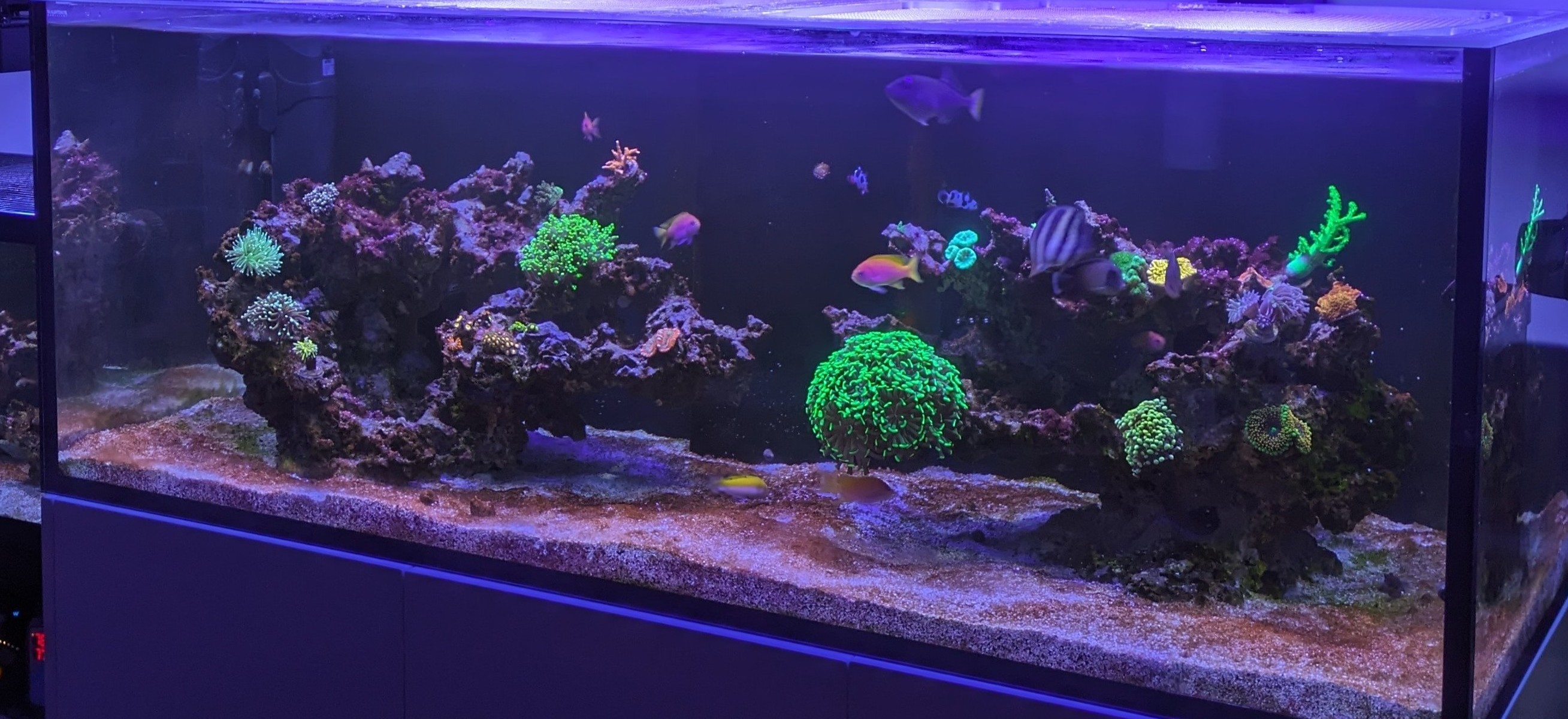
My battle with Dinos didn't start with bad husbandry; it started with a freak accident. A piece of foil blister pack from frozen fish food fell into the display unnoticed and got buried.
The corroding foil spiked my Tin levels, causing coral growth to stall completely. To fix the toxicity, I performed massive water changes. That was the tipping point. The combination of aggressive water changes and halted coral uptake stripped the water column clean. Nutrients hit absolute zero, and in that void, Dinos took over. It wasn't until 3 months later that my sand-sifting goby finally dug up the foil culprit.
1. Know Your Enemy
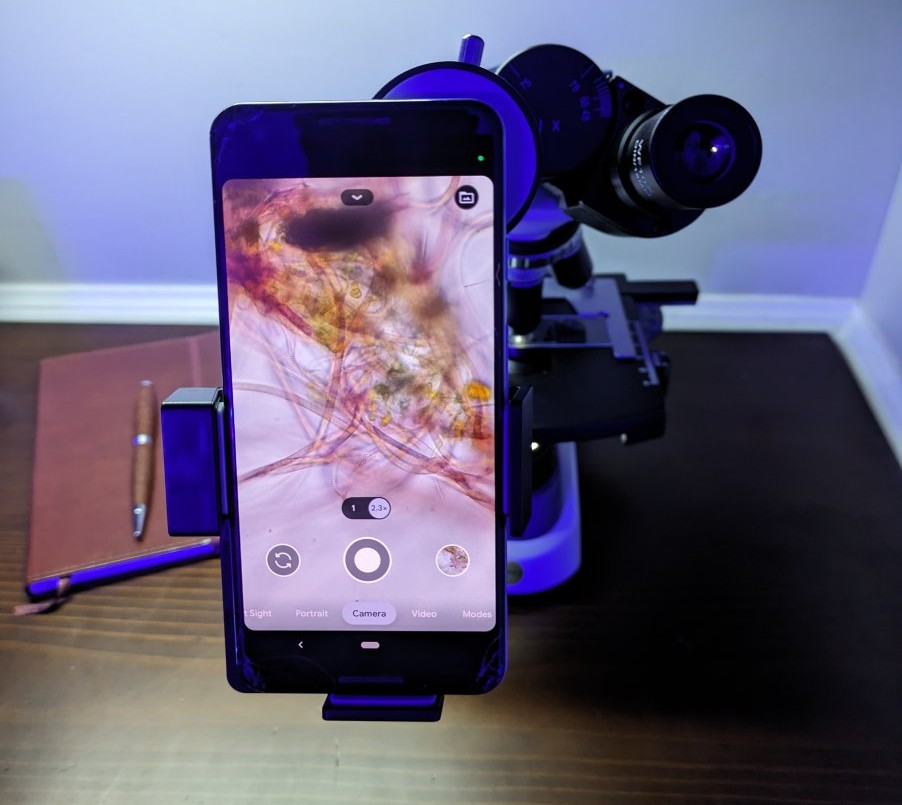
You cannot treat "Dinos" blindly. Different strains require completely different battles. You must use a microscope (minimum 400x) to identify which beast you are fighting.
Large Cell Amphidinium (LCA)
The Sand Dweller. This was the primary antagonist in my tank. They retreat into the sand bed at night, making UV sterilizers completely ineffective.
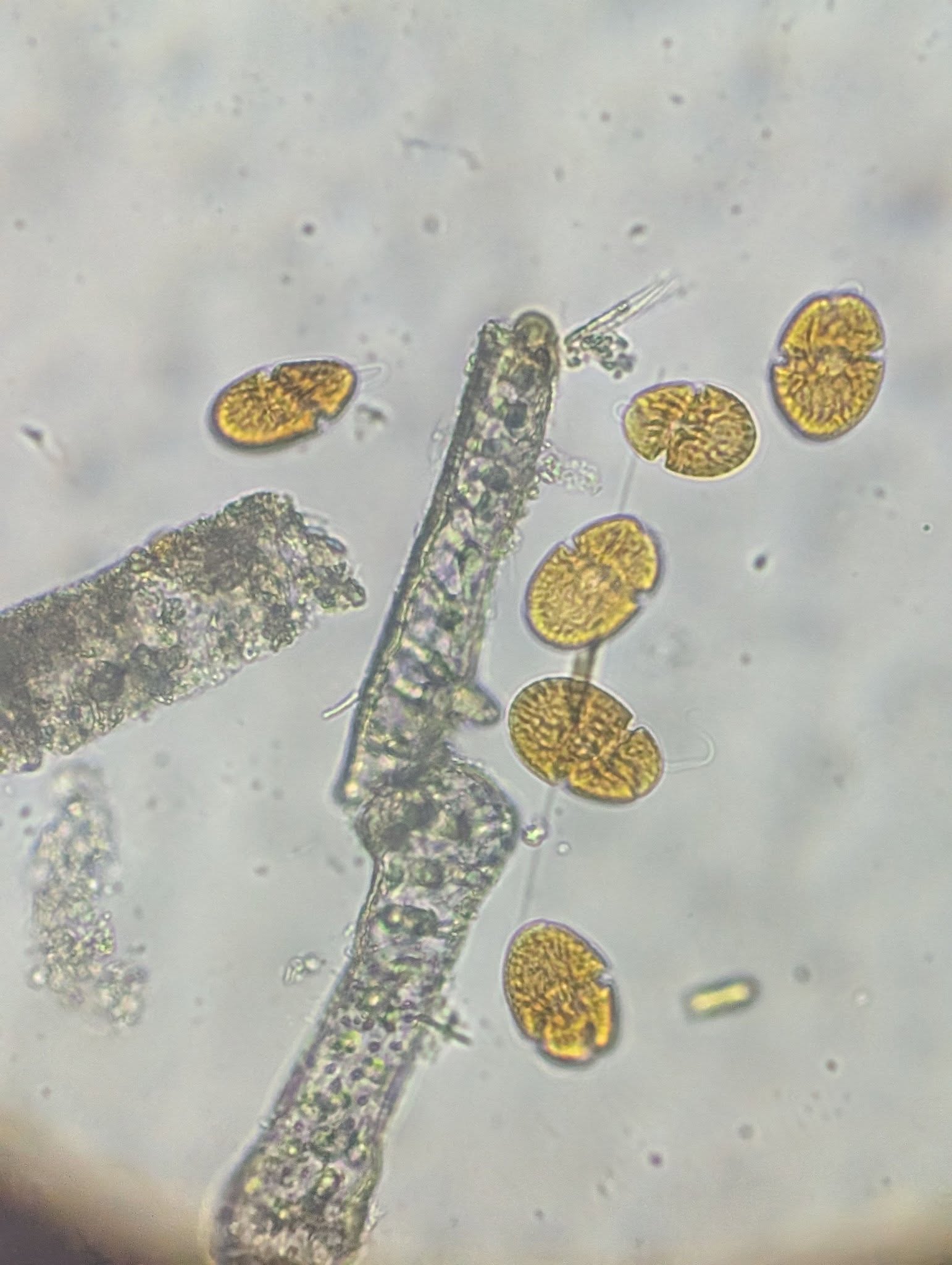
Akashiwo Sanguinea
The Swimmer. Unlike LCA, Akashiwo is a free-swimming dinoflagellate that often inhabits the water column.
2. The Strategy: "The Dirty Method"
Since my primary battle was with LCA (Sand Dwellers), I couldn't just zap them with UV. I had to out-compete them. Dinos thrive when nutrients bottom out and biodiversity is low. My strategy relied on three key pillars:
- 1. Raise Nutrients: Never let NO3 or PO4 hit zero.
- 2. Add Silicates: Fuel Diatoms to starve out the Dinos.
- 3. Add Bacteria: Rebuild the biome to occupy the real estate.
3. Silicate Calculator
I used Sodium Silicate (Waterglass) solution (41% concentration). The goal is to fuel Diatoms, which reproduce faster than Dinos and consume the available surface area. Target level: 2-3ppm.
4. The Protocol (LCA Specific)
Phase 1: Stabilization
- Stop Amino Acids: AB+ and aminos are like rocket fuel for Dinos. Stop dosing them immediately.
- Raise Nutrients: Do not let NO3 or PO4 hit zero. I used NeoNitro and NeoPhos to maintain detectable levels (5ppm NO3 / 0.05 PO4).
Phase 2: The Invasion (Silicates)
Dose the calculated amount of Sodium Silicate daily. Silicates are consumed rapidly (often within 24 hours).
- Day 1-3: Start dosing. You might see the sand get "brown and ugly." This is good. It's Diatoms.
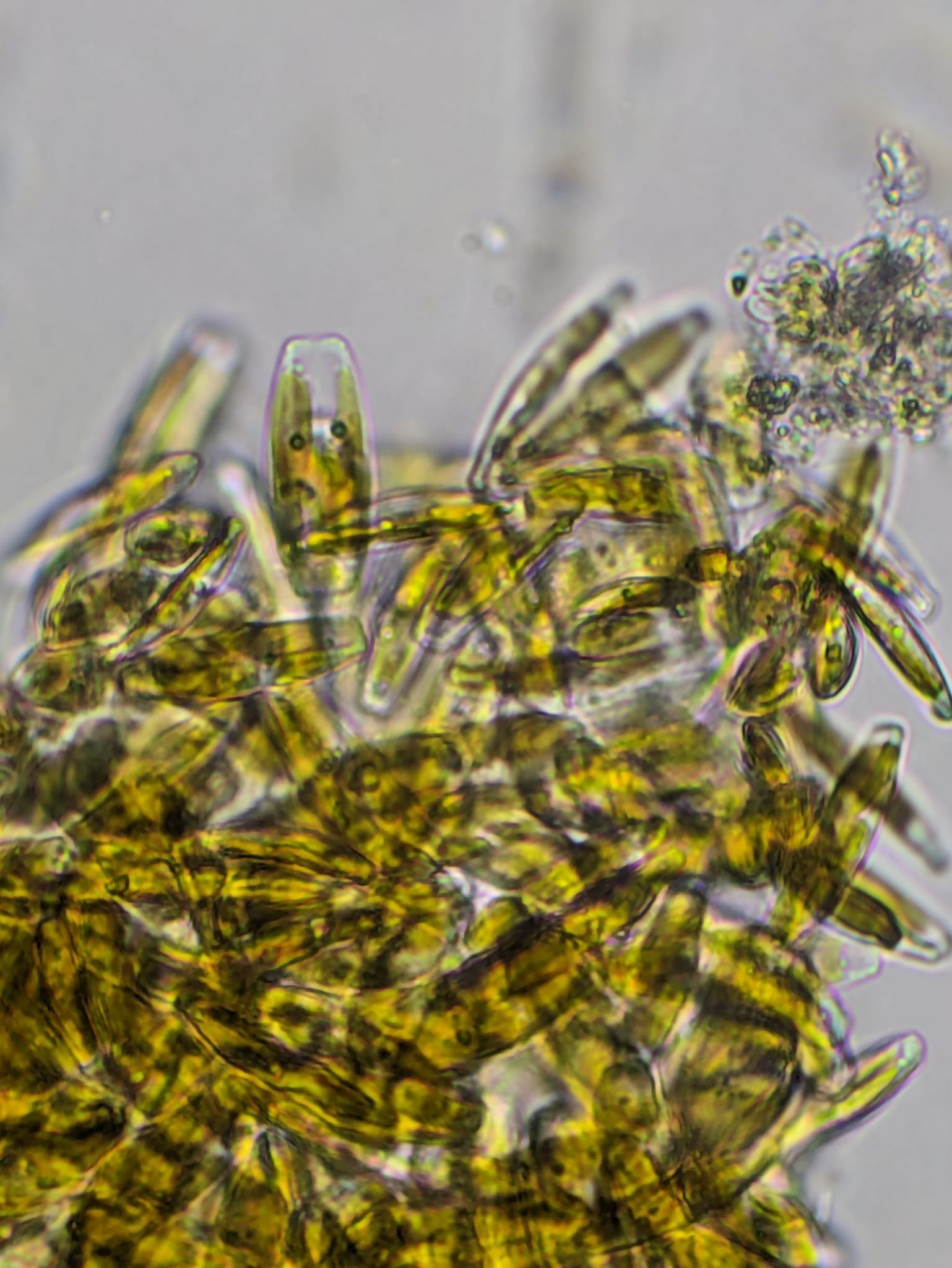
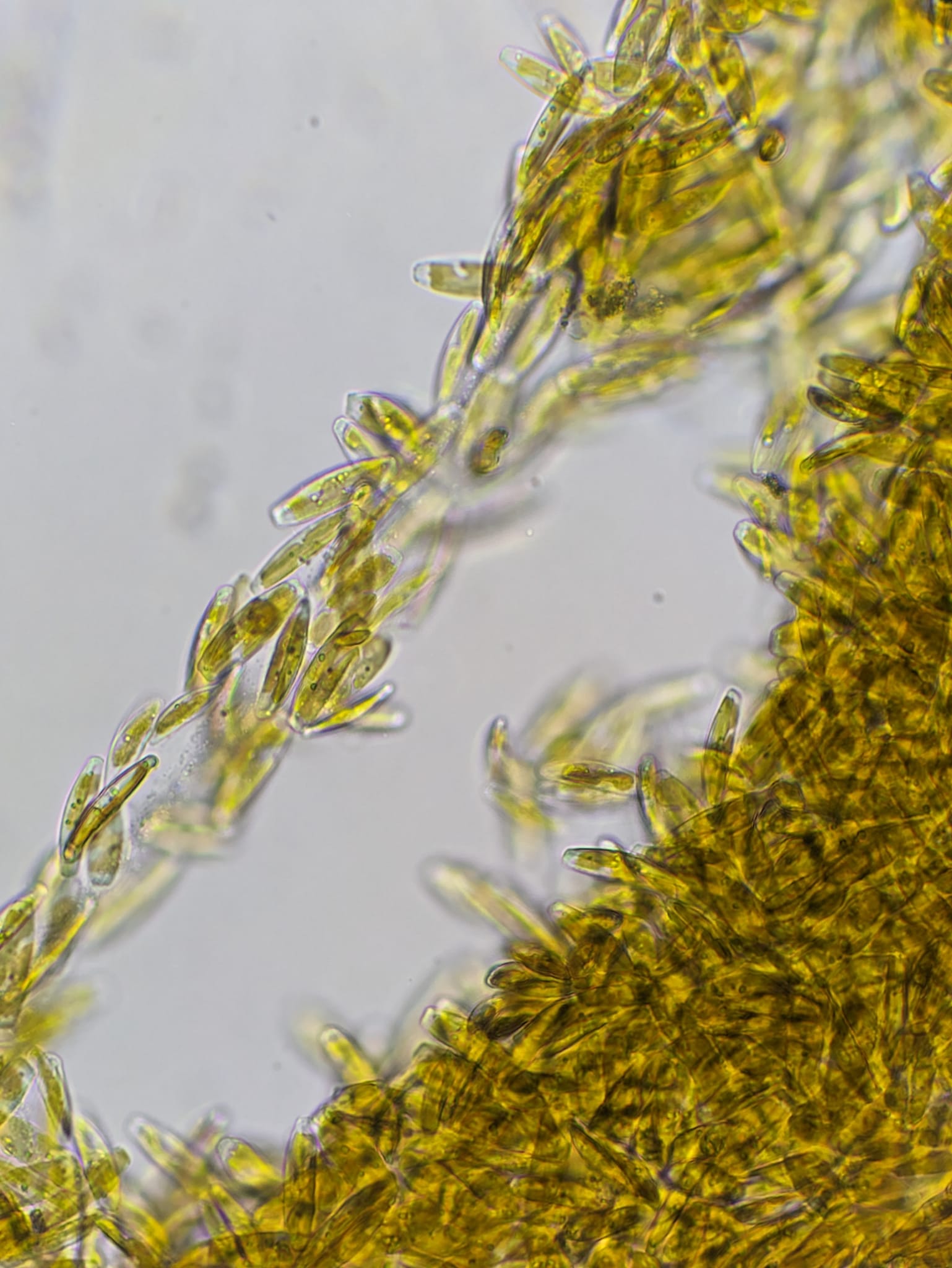
- Day 7: Check microscope. You should see Diatoms (glassy shards) increasing and Dinos decreasing.
- Maintenance: Keep dosing until Dinos are visually gone for 2 weeks.
Phase 3: Reinforcements
While the Diatoms fight for space, you need to diversify the microscopic biome. I heavily dosed MicroBacter7 weekly.
Optional Bonus: To further boost biodiversity, I also added the Snacklepack™ Combo (Live Phyto + Pods) from Dinkins Aquatic Gardens. It's not strictly required, but adding live pods helped re-establish the natural food web.
5. The Turning Point
This was not a quick fix. It took from January to May to fully stabilize the system and eradicate the Dinos. The recovery happened in two distinct biological shifts.
Stage 1: The "Good" Nuisance (March)
Normally, Cyanobacteria is a nuisance we try to avoid. But in this battle, seeing Cyano was a victory. It proved that my nutrient levels (Nitrate/Phosphate) were finally holding above zero and the water was capable of supporting life again. The "sterile" monoculture of the Dinos was breaking.
Stage 2: The Silicate Takeover (April)
As the Silicate dosing saturated the system, the "Dirty Method" took full effect. Under the microscope, the Dinos didn't just vanish; they were physically crowded out by massive clusters of Diatoms. These golden clusters starved the Dinos of resources.
Stage 3: Victory (May)
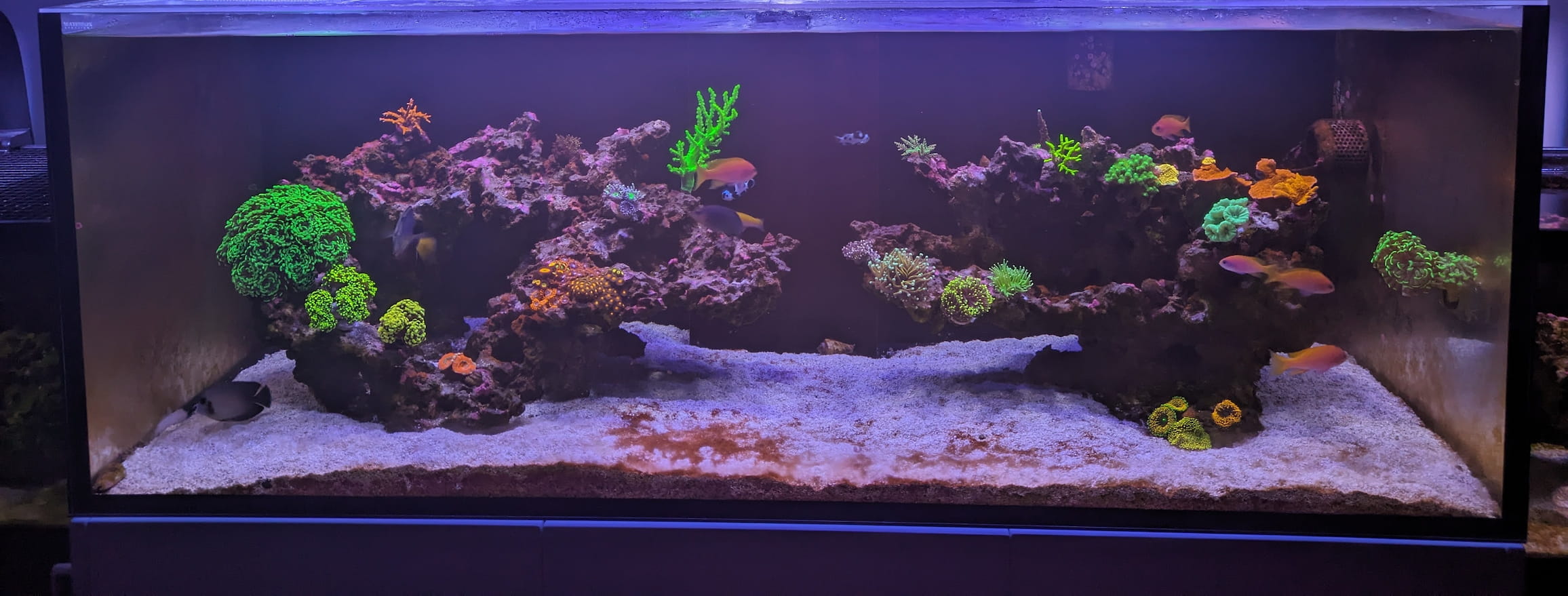
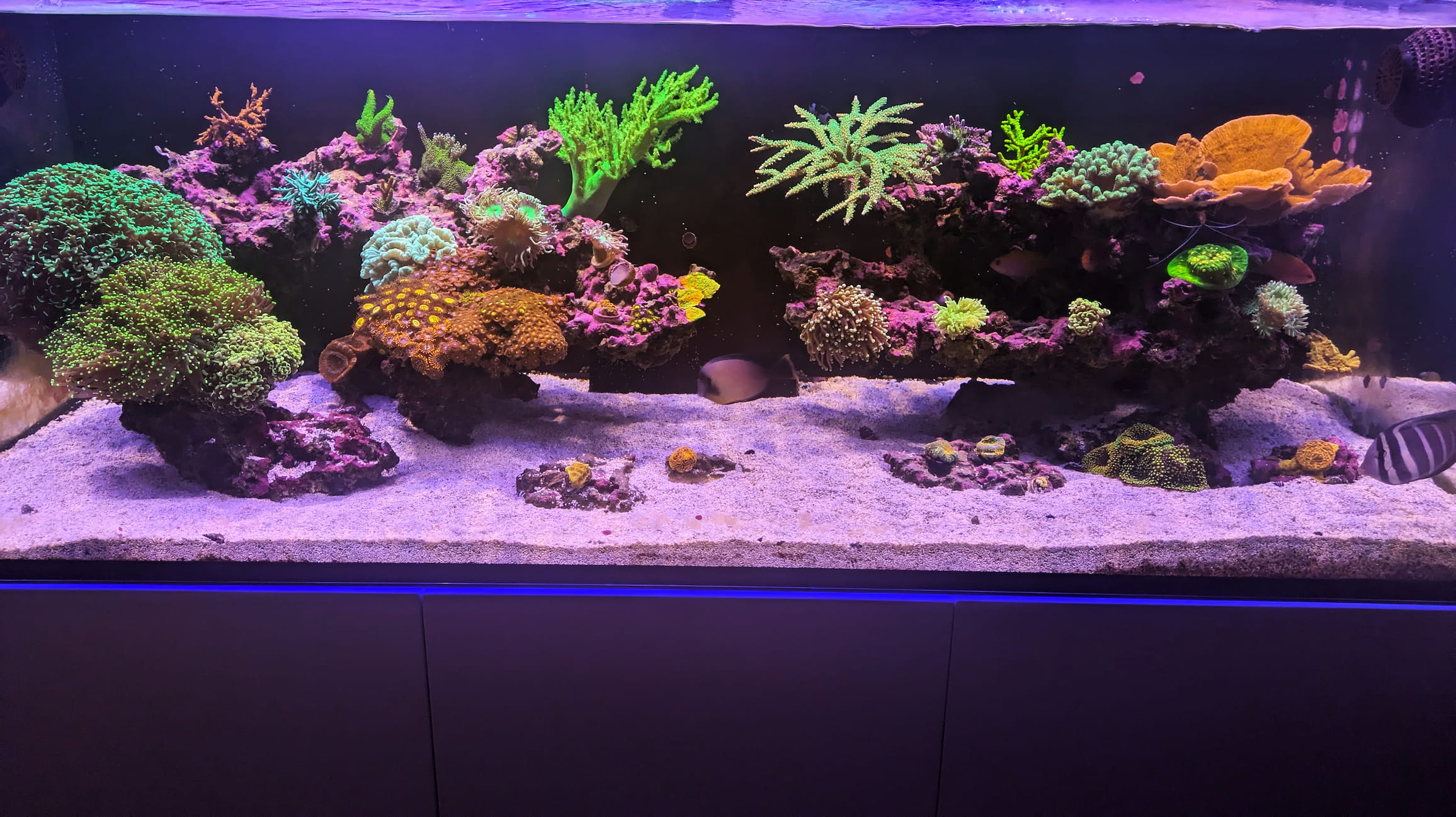
By May, the sand was clean, the corals were extending polyps again, and the microscope showed a diverse, healthy biome.
Cultivated in our Online Coral Nursery
By mastering these advanced biological protocols, we maintain pristine, perfectly balanced systems in our Warner Robins nursery. This deep understanding of reef science ensures every specimen is healthy and fully stabilized before nationwide shipping.
Shop The Apothecary Collection →